Welcome to Our Mental Health & Wellness Blog
Our blog provides articles on mental health, therapy, emotional wellness, stress management, relationships, anxiety, depression, trauma, and personal growth. Our goal is to offer educational resources that help you better understand your mental health and support your overall well-being.
The information shared on this website is for educational and informational purposes only and is not intended to replace medical advice, diagnosis, psychotherapy, counseling, or treatment from a licensed healthcare professional. Reading this blog does not create a therapist-client relationship.
If you are experiencing a mental health crisis or emergency, please call 911 or visit your nearest hospital or emergency department immediately.
If you are considering therapy or would like professional support for your mental health, we invite you to contact us to schedule a free phone consultation and learn more about our counseling services.
THE POWER OF ACCEPTANCE
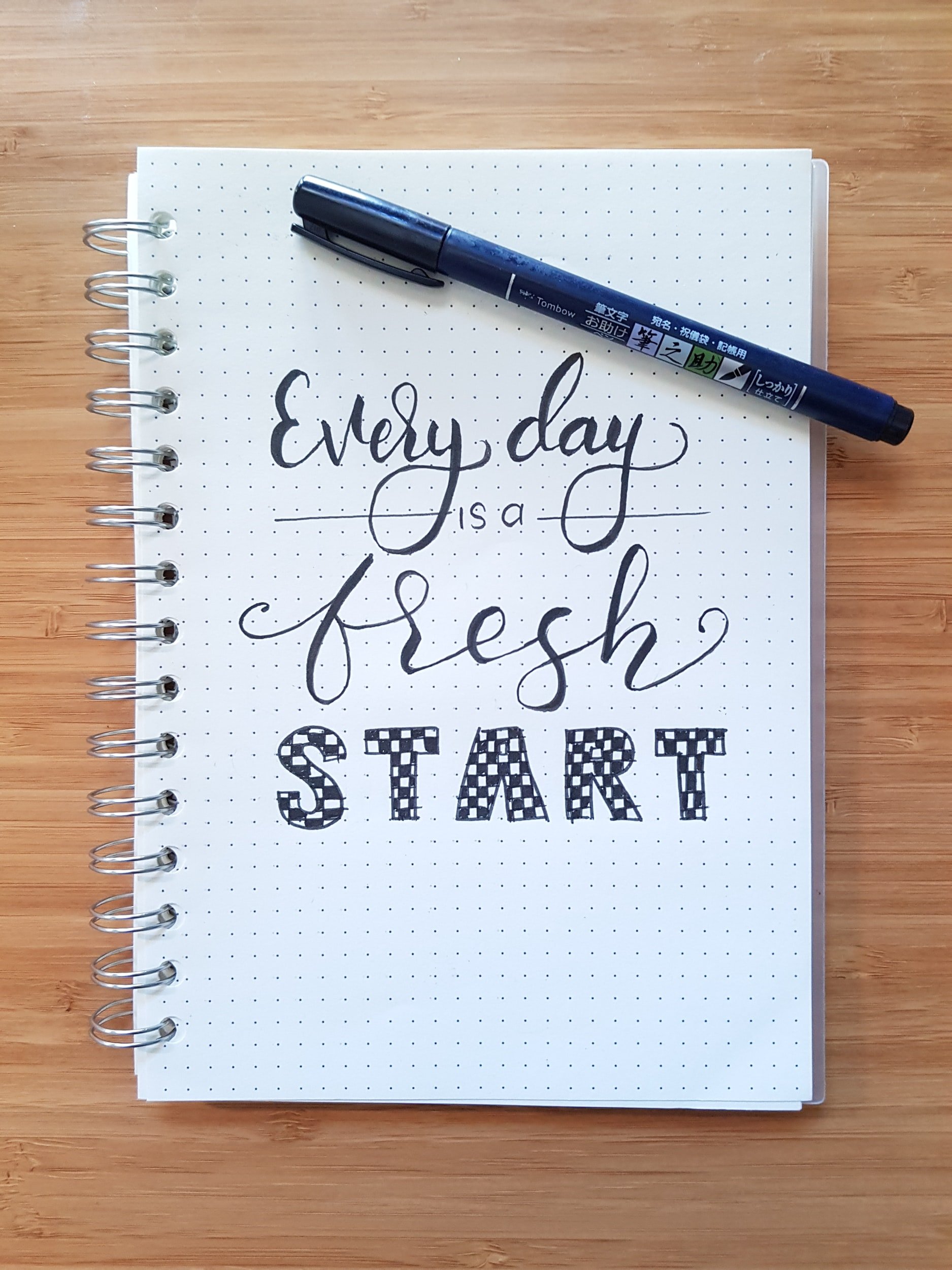
When we faced with a challenge or problem in life, our first impulse is to try and fix the situation. We don’t usually think about accepting things as they are because that can feel like giving up in a way. In certain situations however our struggle to accept things as they are can lead to further suffering. This is where the DBT skill of radical acceptance comes in. Radical acceptance is a DBT distress tolerance skill, it is a skill meant to help us cope with painful situation and/or emotions, without having to suffer for a prolonged period of time.
THE MIND BODY CONNECTION
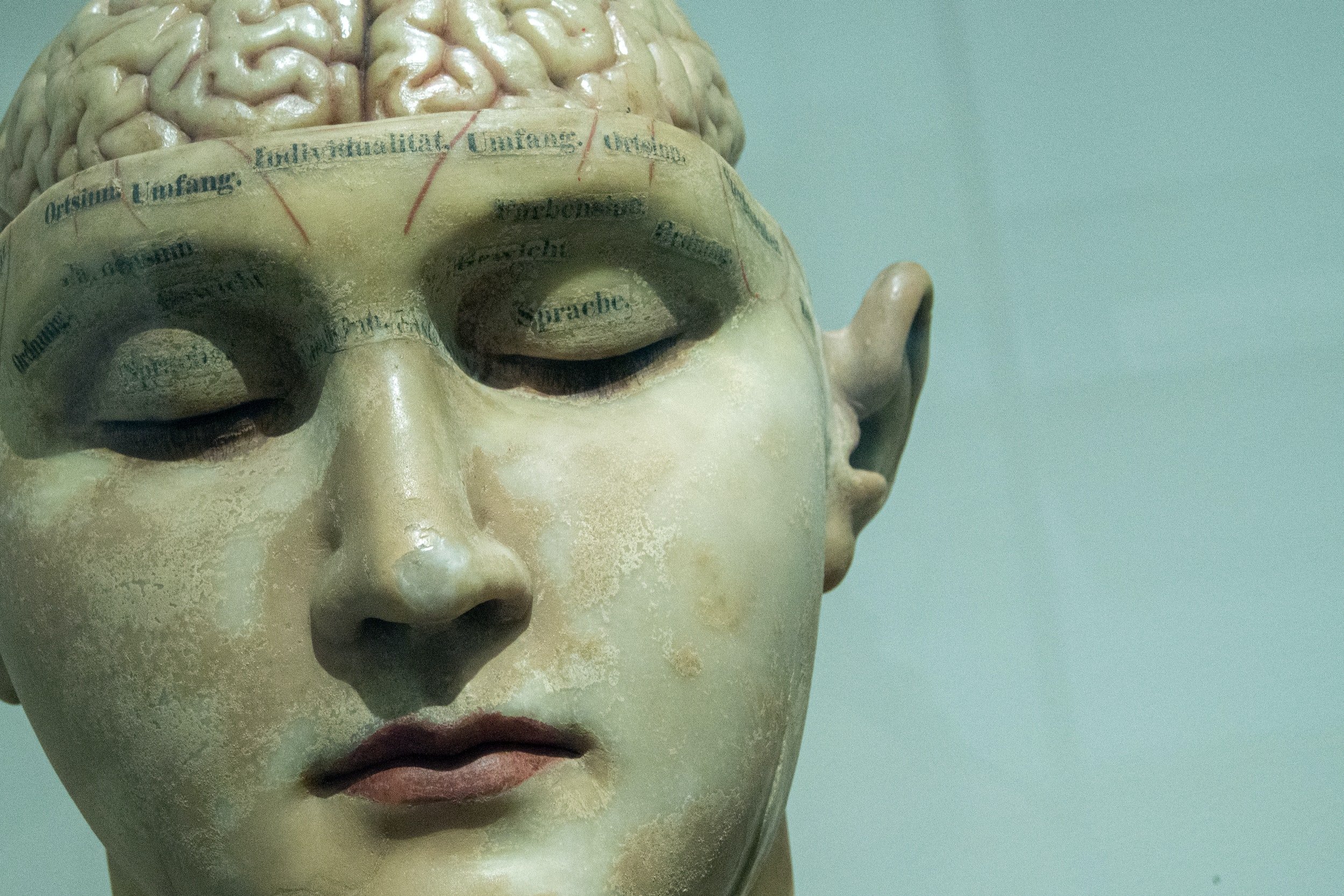
We are learning more and more about how our mind and bodies are intertwined. Our emotional experiences also include an element of physical experiences. When we are angry we can feel the blood rushing to our face and that overwhelming heat. When we are shocked we can feel the blood draining away from our face and we feel a chill. When we experience anxiety our belly flip flops. When we are excited we can feel our heart racing. Our emotions live in our body and it’s really cool to know how connected our body and mind are! Using this knowledge we can learn how to regulate our body when we are feeling overwhelmed or depressed, or simply in our day to day routine. The more we connect with the physical experience of emotions (as opposed to dissociated from it), the more present we can be in each moment.

WHAT IS SAFETY
When we talk about safety, we are not talking about feeling calm, relaxed, and comfortable. As humans, we are looking for safety and will make choices that get us closer to that and further away from threat or danger. Safety does not always translate to “feeling good” and does not always guarantee that someone is calm or relaxed when experiencing a sense of safety.

WHY BOTHER PRACTICING GRATEFULNESS
We are all familiar with feeling dissatisfied with our lives, feeling like we are not successful enough, that your relationships are not what you would like them to be, that you aren’t able to afford the things you want. Feeling disappointed with yourself for not living up to the expectations that you (or others) have set for yourself. You look at other people and how they are living their lives and think “How did they get so lucky?”, or “I wish my life was as great as theirs”. You may feel guilty for feeling so envious but it can be hard to stop feeling that way, especially with social media constantly reminding you that aiming for anything less then complete and total happiness means that you are failure or even worse, as loser.

LIVING IN THE MOMENT
COVID-19 has changed the way we all live our lives and we have to make adjustment to what our daily routine looks like. Many of us are working from home or having social distancing protocols put in place at work, and we are spending more time at home, either on our own or with our families. Activities that used to require very little thought or effort, now require much more planning (e.g. going to the grocery store). Even going for a walk can induce feelings of stress and anxiety. I’m not a huge proponent for finding the “silver lining” and I’ll be honest, overly positive attitudes can feel draining, that being said I think there can be lessons that we are able to take away from this difficult period. I have spoken about mindfulness plenty of times in the past, and during this pandemic using mindfulness can help us get through difficult days and not get caught up in our worried thoughts. The research on mindfulness has shown us time and time again the mindfulness can help to reduce symptoms of stress, anxiety, and depression.

USING MINDFULNESS TO COPE WITH STRESS
There has yet to come a day where I have experienced no stress. That is a fairy tale day. Stress is an unavoidable part of life and generally it can be more stressful to attempt to avoid feeling stress.

THE BEAUTY IN YOUR BREATH
I wake up every morning feeling like I have a 1001 things to strike off my to do list, and no matter what I do by the time I wake up the next morning those 1001 things come right back up. It’s a constant rat race, with myself! Sometimes it feels like I have 10 drill sergeants in my head barking out orders, demands, and reminders. I’m exhausted by the end of the day but this was the only way I knew how to live. Well that was until I was introduced to mindfulness.