Welcome to Our Mental Health & Wellness Blog
Our blog provides articles on mental health, therapy, emotional wellness, stress management, relationships, anxiety, depression, trauma, and personal growth. Our goal is to offer educational resources that help you better understand your mental health and support your overall well-being.
The information shared on this website is for educational and informational purposes only and is not intended to replace medical advice, diagnosis, psychotherapy, counseling, or treatment from a licensed healthcare professional. Reading this blog does not create a therapist-client relationship.
If you are experiencing a mental health crisis or emergency, please call 911 or visit your nearest hospital or emergency department immediately.
If you are considering therapy or would like professional support for your mental health, we invite you to contact us to schedule a free phone consultation and learn more about our counseling services.
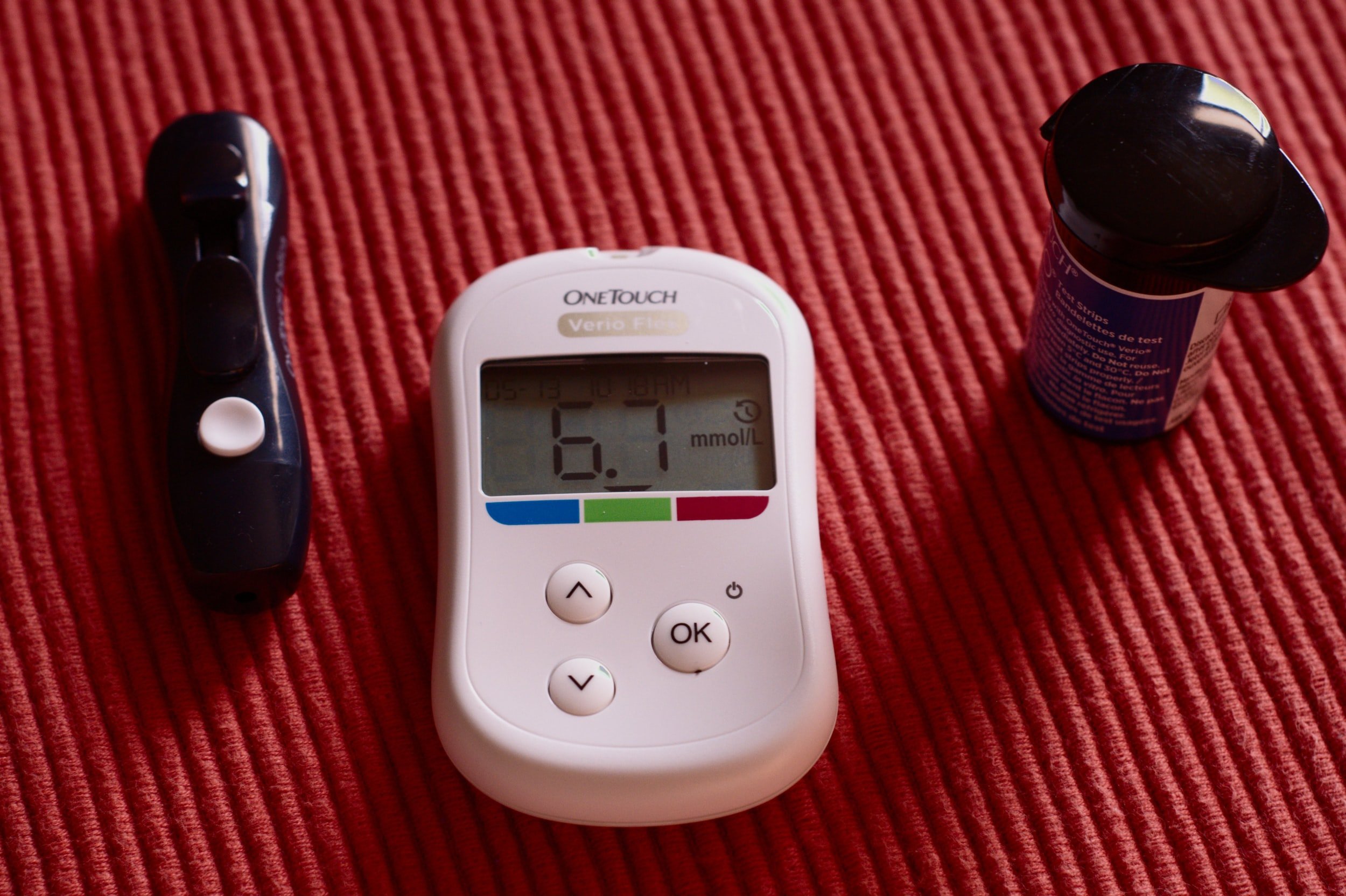
MANAGING YOU MENTAL HEALTH AND YOUR DIABETES
The way we view health has changed over the years and there has been a shift to more holistic approaches to health and wellness. Health professional recognize now how if a person is diagnosed with a physical disease, their mental health will very likely be impacted. The same is true for the reverse, when an individual’s mental health is suffering, their physical health is likely not doing much better. This two way link is clearly demonstrated in those diagnosed with diabetes.

EXERCISE AND MENTAL HEALTH
I spend a couple hours during the week pouring through research articles, trying to keep myself up to date on the latest research related to mental health. There is always at least one new article I come across that focuses on the link between physical activity and mental health. The most recent study I came across was from a paper in the journal Depression and Anxiety by a team of researchers at Massachusetts General Hospital who found that “increased levels of physical activity can significantly reduce the odds of depression, even among people who are genetically predisposed to the condition”. Which in laymen terms means that those who were active even for a couple hours a week had lower odds of experiencing depression. Even those who may be more biologically vulnerable to developing depression were less likely to be diagnosed with depressions if they were physically active. Now this isn’t necessarily mind blowing stuff. We already know this. We have been told time and time again about the benefits of exercise, but studies like these are important in reinforcing this knowledge.