Welcome to Our Mental Health & Wellness Blog
Our blog provides articles on mental health, therapy, emotional wellness, stress management, relationships, anxiety, depression, trauma, and personal growth. Our goal is to offer educational resources that help you better understand your mental health and support your overall well-being.
The information shared on this website is for educational and informational purposes only and is not intended to replace medical advice, diagnosis, psychotherapy, counseling, or treatment from a licensed healthcare professional. Reading this blog does not create a therapist-client relationship.
If you are experiencing a mental health crisis or emergency, please call 911 or visit your nearest hospital or emergency department immediately.
If you are considering therapy or would like professional support for your mental health, we invite you to contact us to schedule a free phone consultation and learn more about our counseling services.

DIALECTICAL BEHAVIOURAL THERAPY
The research has clearly demonstrated that psychotherapy is an effective treatment for a variety of mental illnesses. Psychotherapy is primarily talk-based therapy with a mental health clinician (psychologist, social worker, or psychotherapist) where the focus of sessions revolves around helping a person change their behavior and to overcome problems in a healthy way. There are many different models of psychotherapy that professionals work from. Evidence based therapies are backed by meticulous research and have demonstrated they are able to help clients make significant improvements in their mental health. We discussed CBT (cognitive behavior therapy) in an earlier post, and this week we are going to take a closer look at another therapy that has been becoming much more prominent, Dialectical Behaviour Therapy
(DBT).

Coping with the Loss of a Pet

Understanding EMDR Therapy

The Misuse of Therapy Language

Finances and Your Mental Health: Finding Balance

Signs That Your Not Over THAT Break-up
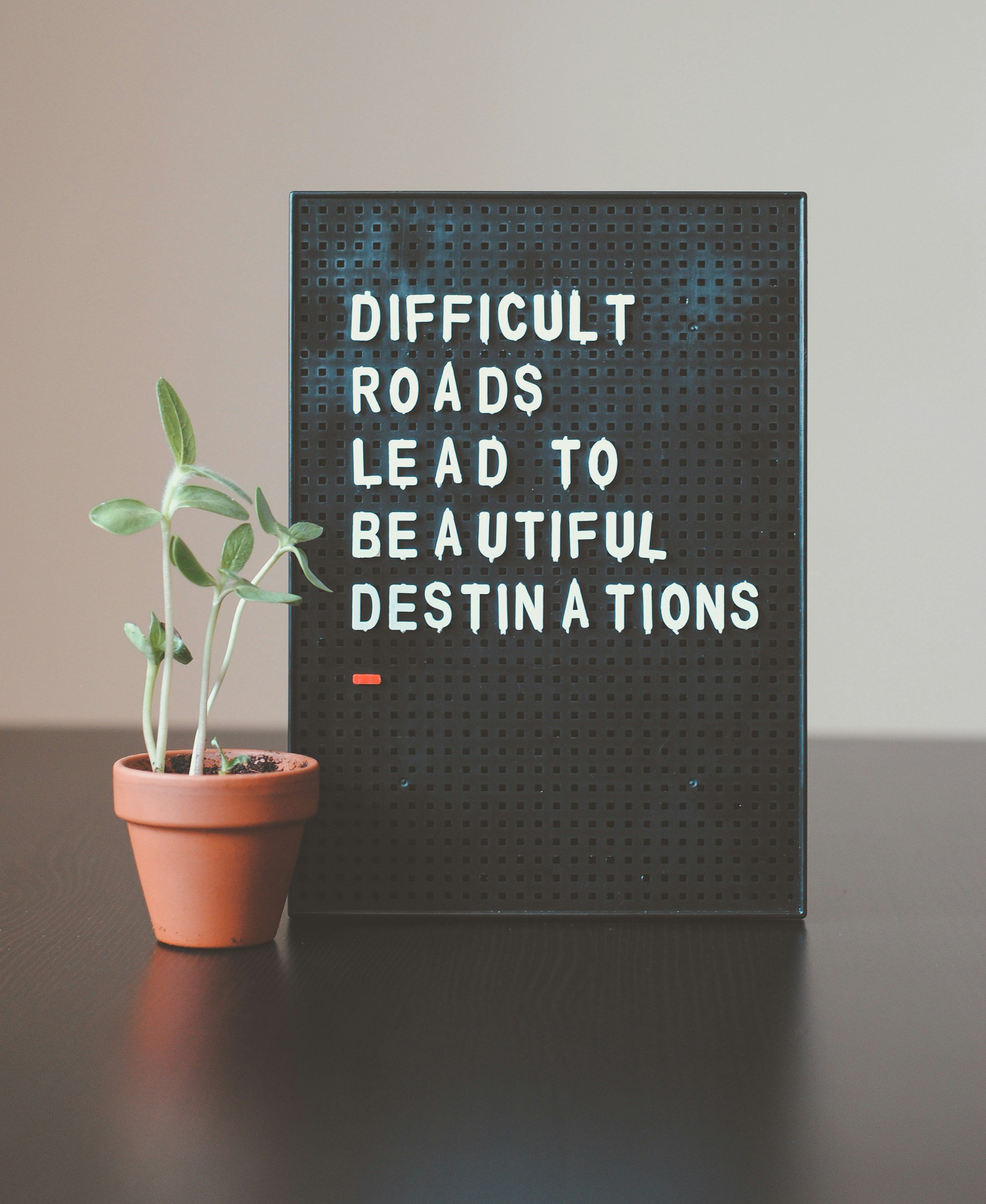
Embracing Therapy as a Path to Healing and Wellness

Working Through Shame and Embracing Self-Compassion

Do I have ADHD? The Problem with Self-Diagnosis via Social Media

Working through Reoccurring Nightmares

Nightmares and Trauma
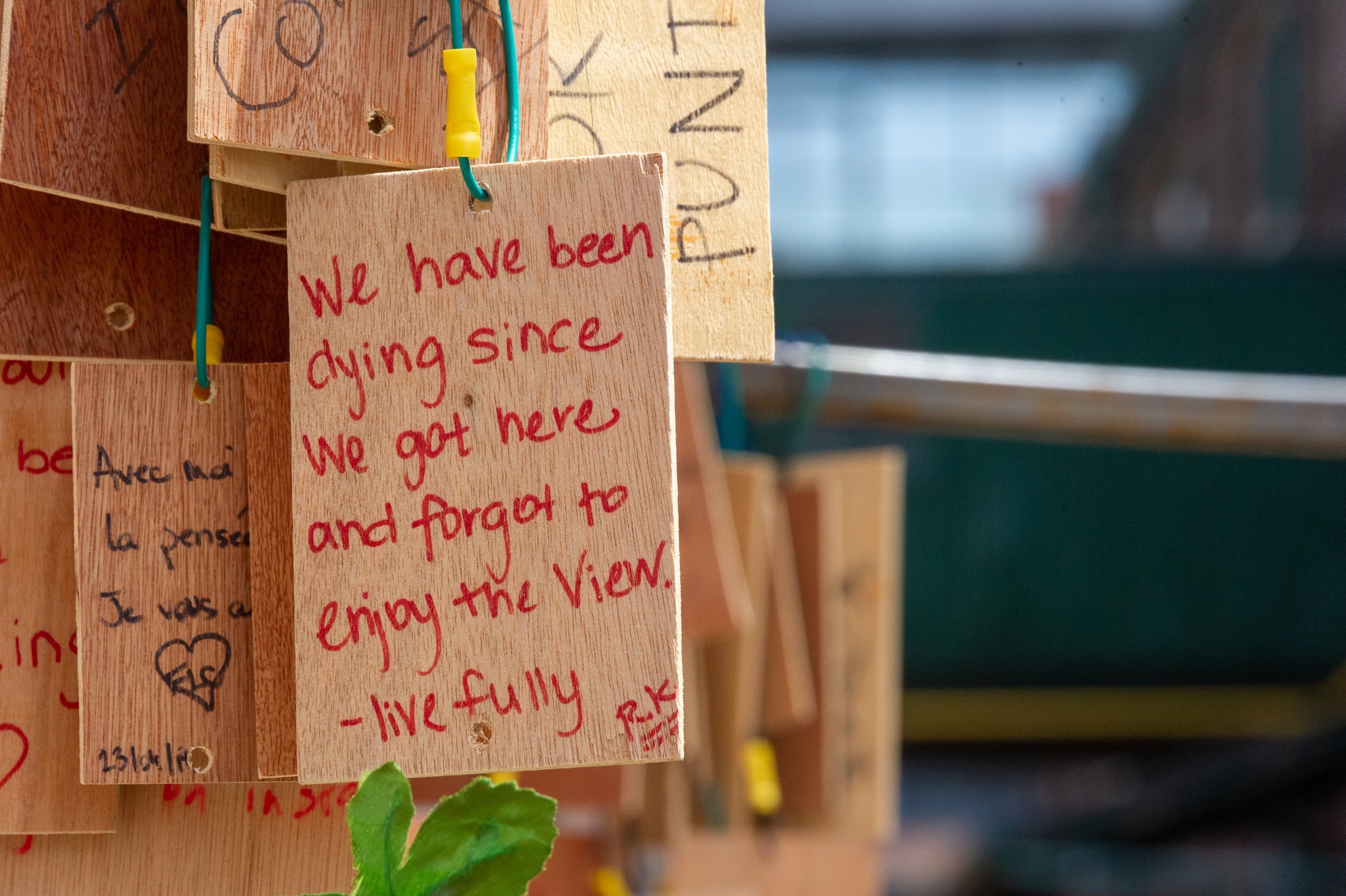
Let’s Talk About Death Part 2

Let’s Talk about Death

Coping with Stress

CHASING HAPPINESS
During sessions I will regularly ask clients about what brought them to my office and so many times I get a response that is along the lines of “I just want to be happy”. That is an understandable desire. A wish to simply to be happy. Many of us believe that once we figure out the secret to being happy no matter what then we will no longer experience any pain and suffering. For those who have experienced significant pain in their lives, I can completely understand the pursuit to chase eternal happiness.
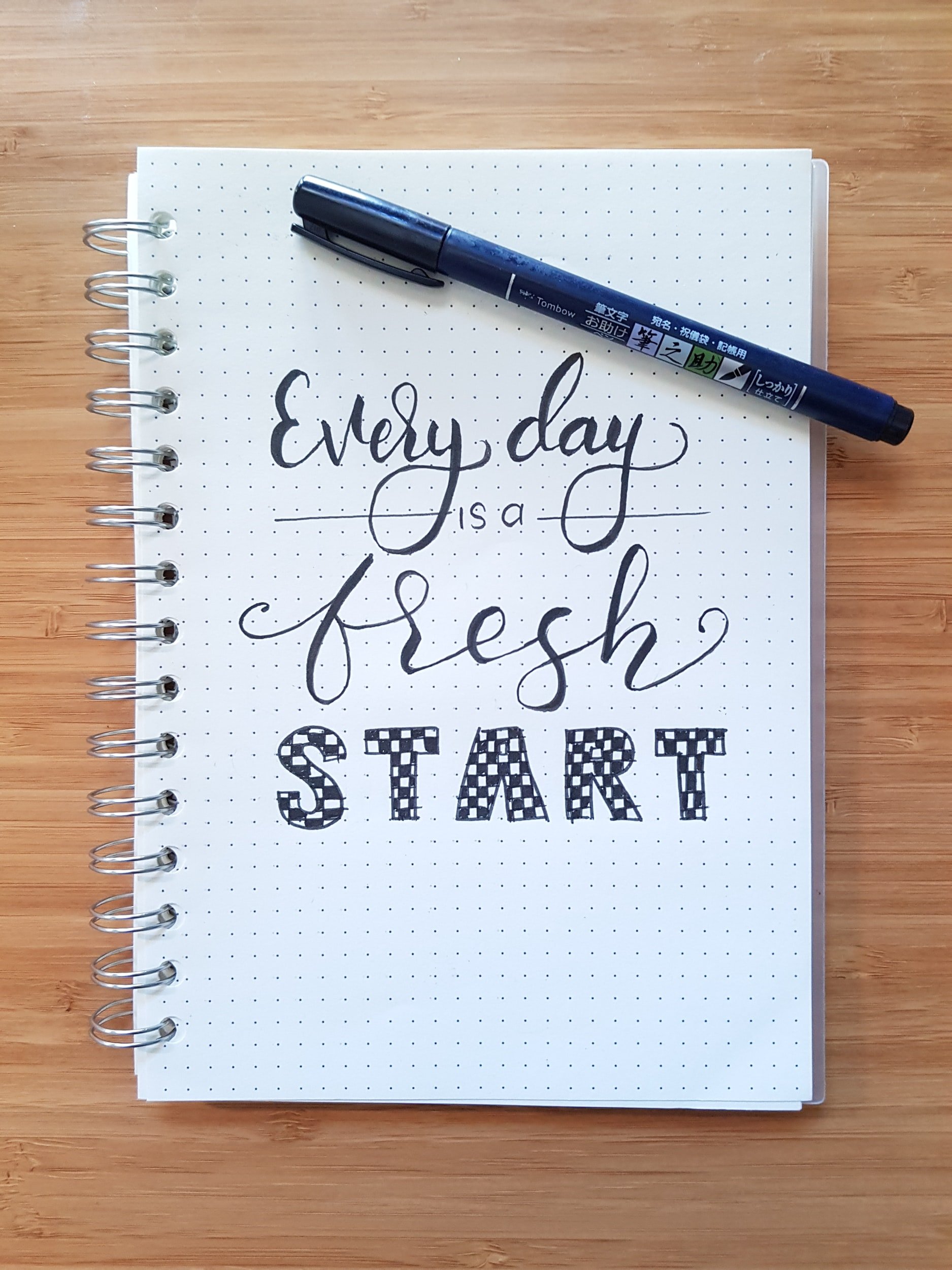
THE POWER OF ACCEPTANCE
When we faced with a challenge or problem in life, our first impulse is to try and fix the situation. We don’t usually think about accepting things as they are because that can feel like giving up in a way. In certain situations however our struggle to accept things as they are can lead to further suffering. This is where the DBT skill of radical acceptance comes in. Radical acceptance is a DBT distress tolerance skill, it is a skill meant to help us cope with painful situation and/or emotions, without having to suffer for a prolonged period of time.

SETTING REASONABLE RELATIONSHIP EXPECTATIONS
Let me begin by stating something many of us already know, relationships are not easy and require hard work and effort. This can be a shock because growing up we are sold the myth the once we find “the one”, we will walk away into the sunset, hand in hand, and so begins the happily ever after. It was “meant to be” and you’re in love, so it should be easy, right? Right?!?! Nope.

YOUR FEELING ARE VALID!
Our emotions guide us through life and when we learn to trust our emotions we have a better sense of self and we are better able to navigate challenges. It is an important skill to learn to validate our own emotions, and this is something that so many people have a hard time with. Think about a time you told yourself that you were overacting or that your being “silly” for getting upset or angry. We often berate ourselves and put ourselves down when we experience challenging and distressing emotions. We can also invalidate positive emotions, which tends to happen when we have a core belief that we do not deserve to feel good or we are not worthy of positive things.

THE WORST POSSIBLE OUTCOME
Anxiety is a normal and healthy emotion that we all experience at different levels throughout our lives. Anxiety Disorders on the other hand are a serious mental health issue and those who have Anxiety Disorders experiences such intense levels of anxiety that it interferes with their personal life, professional life, and social life. Those who struggle with anxiety experience different types of “sticky thinking”. Sticky thoughts are the thoughts that keep us stuck in our feelings of anxiety and can impact our behaviours as we try to rid ourselves of these distressing thoughts.

THE IMPORTANCE OF VULNERABILITY
“People who wade into discomfort and vulnerability and tell the truth about their stories are the real badasses.” – Brene Brown